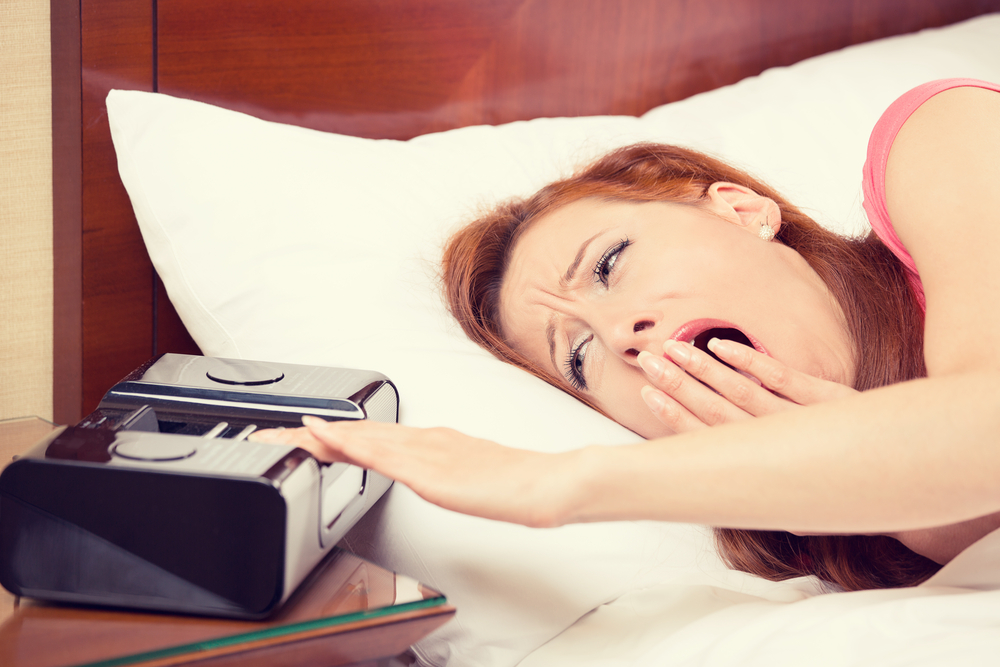
 Do you have trouble falling asleep or difficulty sleeping through the night? If so, you may suffer from insomnia. According to SleepEducation.org, upwards of 35% of adults have brief symptoms of insomnia, with 10% of the population suffering from chronic insomnia disorder.
Chronic insomnia can be caused by other conditions, such as anxiety, depression, chronic stress, chronic pain, sleep apnea, or restless leg syndrome. Sleep is crucial to your health, and sleep deprivation can hinder your overall quality of life. While chronic insomnia is often an underlying cause of another medical condition, those experiencing sleep deprivation may exhibit the following symptoms:
- Difficulty falling/staying asleep
- Waking up frequently during the night and having difficulty falling back asleep
- Waking up too early in the morning
- Daytime sleepiness or fatigue
- Inability to concentrate
- Mood disturbance
- Tension headaches
- Low energy and motivation
- Increased errors or accidents
Sleep deprivation can negatively impact your daily life. If you’re not getting a good night’s sleep, you may feel sluggish, unmotivated, and unable to concentrate at work. Additionally, as insomnia can impede your focus and cause sleepiness, sufferers are at risk for causing an accident. Research shows 20% of non-alcohol related car crash injuries are caused by tired drivers.
If you suffer from chronic insomnia, it’s important to seek treatment. Stuart MacFarlane, a Jungian analyst, has found psychotherapy to be an effective treatment for insomnia. With psychotherapy, you can determine the underlying reason for your insomnia and address it head on. In fact, the American College of Physicians recommends psychotherapy before taking sleeping pills. Talk to your doctor about how psychotherapy can help improve your sleep.

 Everyone has experienced some stress throughout their lives and it can stem from a variety of things like work, finances and even relationships. When our body is subjected to stress, a number of things can happen like an increase in anxiety levels, energy loss and much more; it’s just an uncomfortable situation to be in but it usually subsides and we return back to normal selves. However, some of us may feel like we are excessively under a great amount of stress all the time and when that happens, it’s no longer being just stressed out, it’s a psychological issue that needs to be address. With that being said, those who consistently feel too overwhelmed to deal with their problems may need to seek professional counseling through psychotherapy to help them get out of their rut.